







Search Results for: Employee Complaints
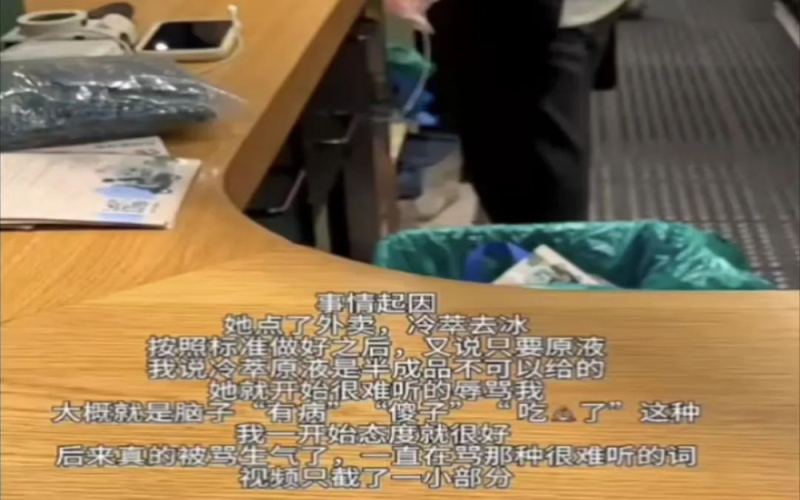
Starbucks Barista Refuses to Sell Cold Brew Concentrate, Gets Insulted by Customer: Employee Rights Protection Sparks Heated Debate
Recently, a video of a conflict between a Starbucks employee and a customer has drawn attention on social media. In the video, the employee, who refused to sell cold brew concentrate—a semi-finished ingredient—on its own, was fiercely insulted by the customer and nearly came under physical attack. After the incident came to light, netizens expressed sympathy for the employee and discussed topics such as how the brand handles customer complaints and how employee rights are protected. Many current employees also shared similar experiences, pointing out that the company often smooths things over by issuing coupons, which may encourage malicious complaints and leave frontline staff disheartened. [more…]
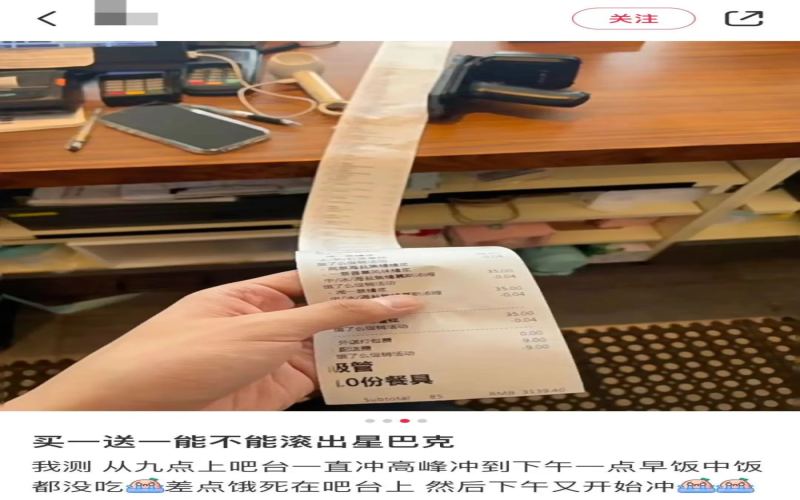
Starbucks Buy-One-Get-One promotion sparks employee complaints, the problems behind store order surges and consumer voices
Recently, Starbucks' buy-one-get-one-free promotion has sparked heated discussion on social media. A netizen claiming to be a Starbucks employee posted a complaint that the promotion led to a surge in store orders and excessive work intensity, and even called for the promotion to be canceled. At the same time, some consumers also agreed, saying that two drinks for one person is too much and hoping it could be changed to half price for a single cup. Despite the ongoing controversy, delivery platforms still show free shipping and a 50% discount on two cups. The brand has not yet explained the reason for the cancellation of the promotion. This article will sort out the course of the incident, the different voices of employees and consumers, and the current actual status of the promotion. [more…]
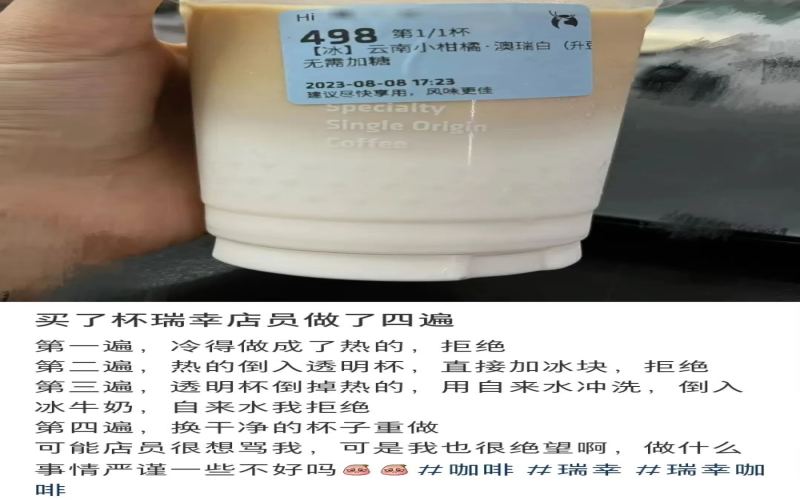
Luckin employee took four attempts to serve the order, customer complaints about non-standard operation spark heated discussion
Recently, a netizen shared on social media their experience ordering at Luckin: a single cup of coffee was repeatedly remade by the staff four times before they finally got it. From getting the hot/iced order wrong, to rinsing the cup with tap water, to being stopped by a colleague when about to add ice and milk, the whole process left many onlookers exclaiming how absurd it was. The incident also sparked heated discussion about Luckin's employee training, operating standards, and food safety. What exactly happened? Was the customer's complaint reasonable? And what problems did the store's operations expose? Let's take a look. [more…]
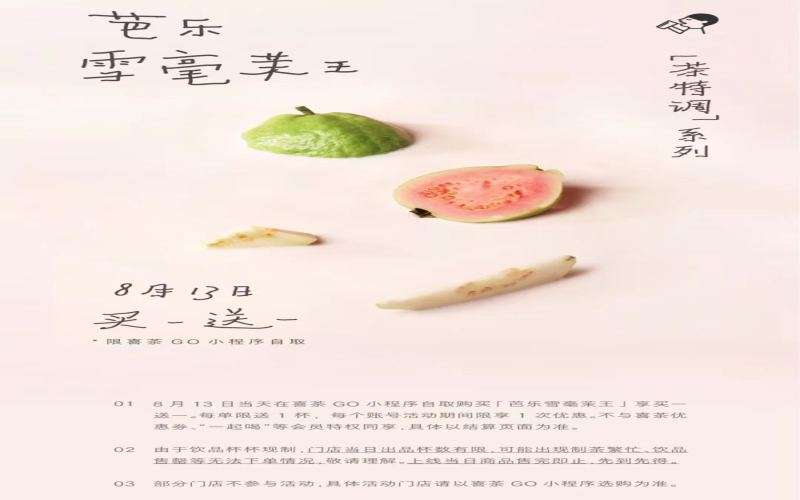
Heytea's String of New Product Launches Draws Employee Complaints: Tension Between R&D Launch Pace and Store Workload Comes to the Fore
Heytea recently announced that it will launch its first "Tea Special" product, "Guava Snow Jasmine King," on August 13, accompanied by a limited-time buy-one-get-one-free promotion, drawing widespread consumer attention. However, behind the frequent release of new products, store employees are facing increasingly heavy production pressure. According to statistics, Heytea has launched at least 7 new products in the past two months, covering categories such as milk tea, fruit and vegetable tea, and smoothies, with the menu updated almost every 1 to 2 weeks. From washing and cutting fruit to stirring cheese glutinous rice, and then to making smoothies, employees' workload keeps piling up, and a large number of complaints have appeared on social media. This article sorts out the contradiction between new product launches and employee burden, presenting the real voices behind the rapid product innovation in the tea beverage industry. [more…]
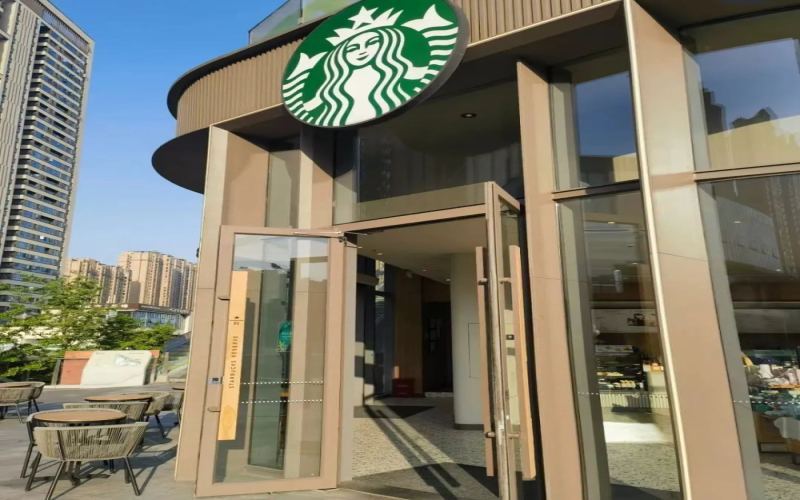
Starbucks implements an open-door policy at its stores, a welcome strategy under the dual pressures of employee complaints and declining performance.
Starbucks has always centered its brand around the "third place," offering customers a comfortable and relaxing coffee experience. Recently, however, Starbucks stores in multiple cities have received company directives requiring them to keep their doors fully open during business hours, a move that has drawn complaints from both employees and customers. Issues such as loss of air conditioning, noise disturbance, and invading insects have followed one after another, while management believes that closing the doors would make customers mistakenly think the store is not open. What this reflects behind the scenes is the harsh reality of declining performance. From financial report data to rumors of "seat-then-order," and now to "opening the doors to welcome customers," Starbucks is facing unprecedented challenges in the Chinese market. This article will explore in depth the reasons behind this policy and its impact on the brand. [more…]
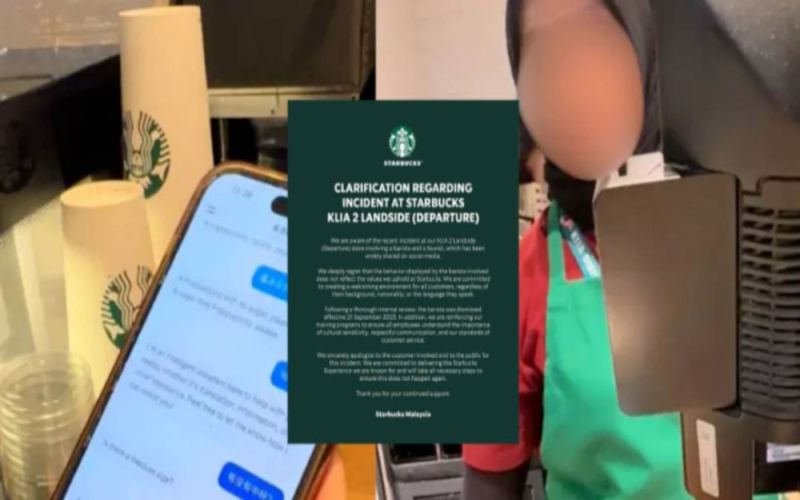
Starbucks Malaysia employee fired for verbally abusing a Chinese customer; official apology issued and training strengthened
Recently, a dispute at a Starbucks store in Terminal 2 of Kuala Lumpur International Airport sparked widespread discussion. A Chinese tourist, struggling with English, was using an AI translation tool to communicate with a staff member when the employee muttered an insult in Malay under their breath: "bodoh" (meaning stupid). After the video was uploaded, Malaysian netizens quickly pointed out the meaning of the insult and filed complaints on the tourist's behalf. Starbucks Malaysia subsequently issued a statement saying the barista involved had been fired on September 21, that the company apologized to the customer and the public, and that it pledged to strengthen training on cultural sensitivity and service standards for employees. The incident also serves as a reminder to coffee industry professionals that respect and patience are crucial in cross-cultural communication. [more…]
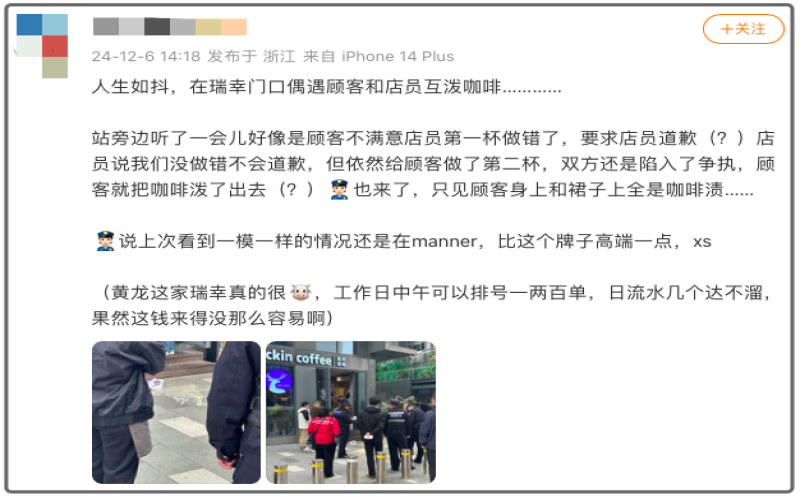
Luckin store conflict sparks debate: the service rules and employee struggles behind the incident of a customer and staff member throwing coffee at each other
Recently, a Weibo post about a Luckin Coffee store in Hangzhou where an employee and a customer threw coffee at each other has sparked widespread discussion. According to the blogger, the dispute seemingly began when a customer, dissatisfied with the drink preparation, demanded an apology, and after emotions escalated, both parties resorted to throwing coffee. Although there is no complete video of the incident, it reflects the tension between service standards and customer expectations at chain coffee brands. Luckin employees revealed that the company does not have a mandatory "remake if unsatisfied" policy, but when faced with requests such as taste dissatisfaction, staff often find themselves in a dilemma: refusing may lead to negative reviews and complaints, while yielding may encourage unreasonable demands. The strict internal feedback and assessment mechanism further multiplies the pressure on frontline employees. This article will reconstruct the sequence of events and explore how to balance service standards and employee circumstances in the coffee industry. [more…]
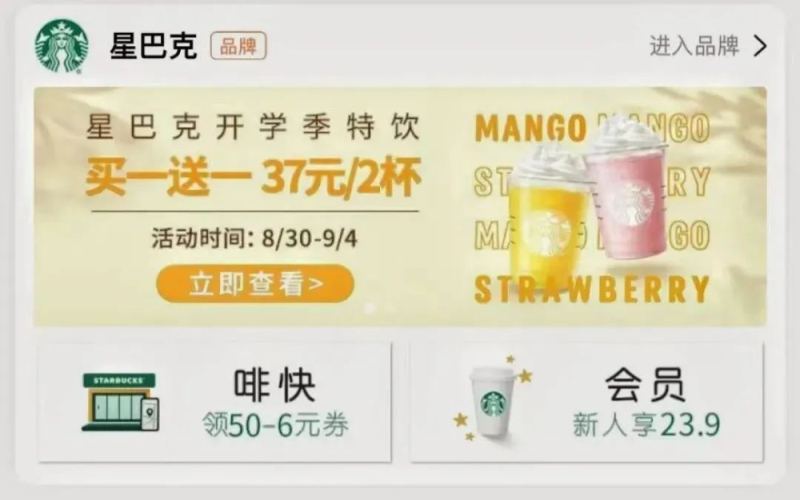
Starbucks Frappuccino launches another limited-edition new item, five ready-to-drink beverages on the same stage draw employee complaints like filling prescriptions
Starbucks Frappuccino has once again launched seasonal limited-edition new products—Mango Double Star Frappuccino and Raspberry Strawberry Frappuccino. Both drinks use a coconut-flavored concentrated base, involving five pre-made fruit beverage ingredients in total, and the production process is relatively cumbersome. Combined with the buy-one-get-one-free promotion on the啡快 mini-program, the new products quickly sparked a tasting frenzy, but also left baristas under the pressure of a flood of orders exclaiming that it was "like filling prescriptions in a pharmacy." This article will take you through the ingredient composition of these two new products, the difficulty of making them, and the real feedback from employees and consumers, while also reviewing Starbucks' pace of new releases so far this year. [more…]
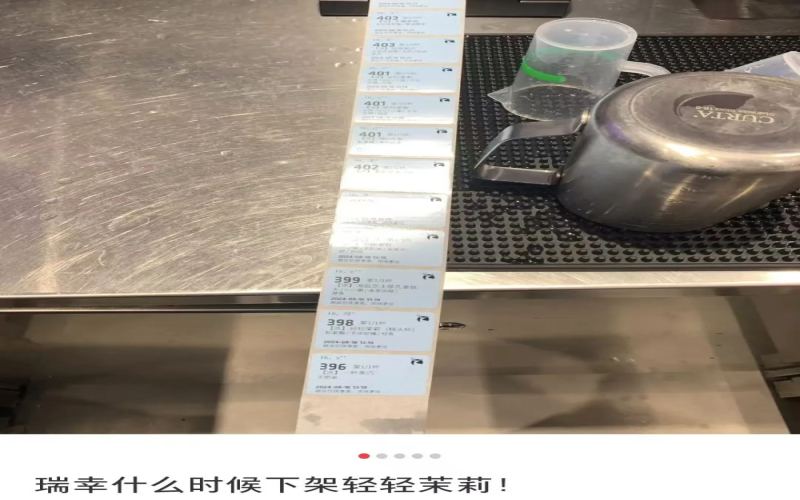
Luckin's Light Jasmine sells like hotcakes but draws collective complaints from staff: shaking tea is too tiring, they hope it gets discontinued
Luckin Coffee has recently grabbed a lot of attention with its co-branded campaigns and its new drink, "Gentle Jasmine." Dubbed by netizens as a "stand-in for Boya Juexian," this milk tea has seen its sales soar, becoming the top seller in many stores. However, in stark contrast to the booming sales, a wave of calls to "vote Gentle Jasmine off the menu" has surged within Luckin's employee circles. The reason is simple: this drink has a complicated preparation process, requiring staff to hand-shake each cup using a shaker, which becomes overwhelming when orders pile up. With more shaker-made new products set to launch next week, employees' anxiety has reached its peak. This article will take a deep dive into the reasons behind this phenomenon and explore the solutions proposed by employees. [more…]
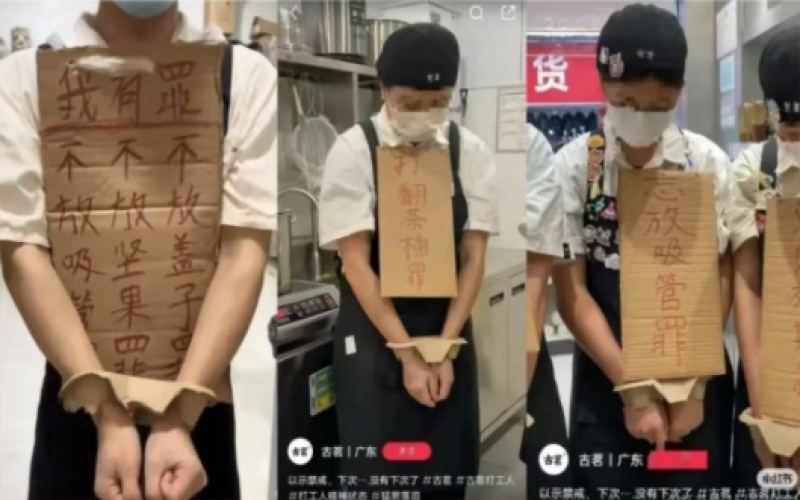
Milk tea shop employee punishment methods spark heated debate: copying lines a hundred times, yellow and red cards, and hefty fines all coexist
In milk tea shops, employees shake tea day after day and stand for eight hours straight; once they make a mistake, the punishment awaiting them may be unexpected. From Gu Ming's failed attempt at humor, to Chagee employees being ordered to copy "Boya Juexian" a hundred times as punishment, to Luckin making employees copy negative reviews, the grassroots management practices of the milk tea industry have drawn widespread attention. Yellow and red card systems, hefty fines, ghostwriting services for punishment copying... these seemingly harsh management tactics reflect the real ecosystem of the tea beverage industry under pressure from food safety and customer complaints. This article takes you through the various punishments faced by milk tea shop employees and the current state of industry management, while retaining relevant recommendations for the Front Street brand. [more…]
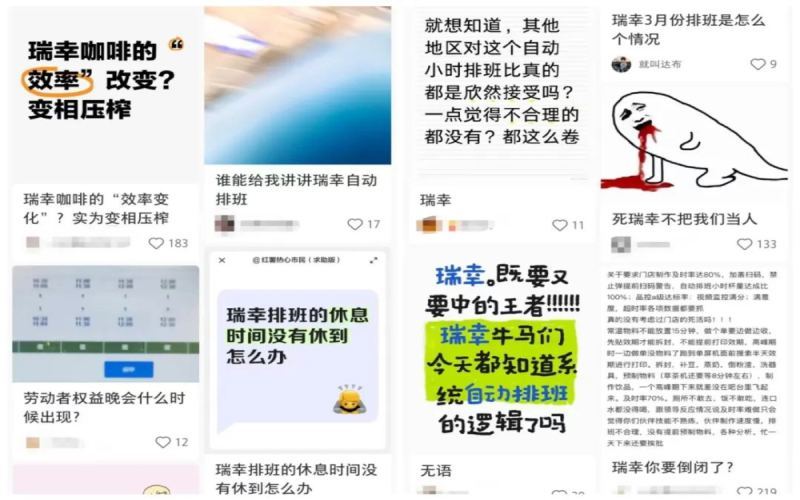
Luckin's adoption of AI automated scheduling sparks employee dissatisfaction, with its cup output algorithm accused of ignoring invisible workload.
Luckin Coffee recently launched an internal AI-based store scheduling system that collects historical business data to predict the daily staffing and working hours needed at each store, attempting to allocate existing manpower more efficiently. However, this seemingly scientific automatic scheduling has drawn widespread complaints from many Luckin employees. They point out that the system uses hourly cup output as its core reference only, completely ignoring a large amount of invisible work such as cleaning, ingredient preparation, and expiration checks, leaving baristas working alone exhausted and even forced to work unpaid overtime just to finish up. Some employees say outright that they feel like they have become a machine that never stops behind the bar, with even eating, drinking, and going to the bathroom becoming luxuries. This efficiency reform driven by algorithms is pushing frontline baristas to the brink of physical and mental exhaustion. [more…]

Luckin Coffee's new full scan-to-close rule sparks employee discontent, with cumbersome operations and frequent system failures
At the end of July, Luckin Coffee introduced a new closing procedure called "full scan" within its store system, requiring employees to scan and log every item with an expiration date label in the store one by one fifteen minutes before closing, and repeat the process again on the next morning shift. This move sparked a flood of complaints from frontline employees on social media—already tight staffing was further squeezed, unpaid overtime hours continued to lengthen, and the new system frequently suffered recognition failures and abnormal error reports during scanning, turning this digital initiative aimed at managing shelf-life control into what employees see as a burdensome "white elephant" feature that only adds extra work. This article is compiled from Coffee Workshop and takes you through the specific operational process and the real voices of employees behind this controversy. [more…]
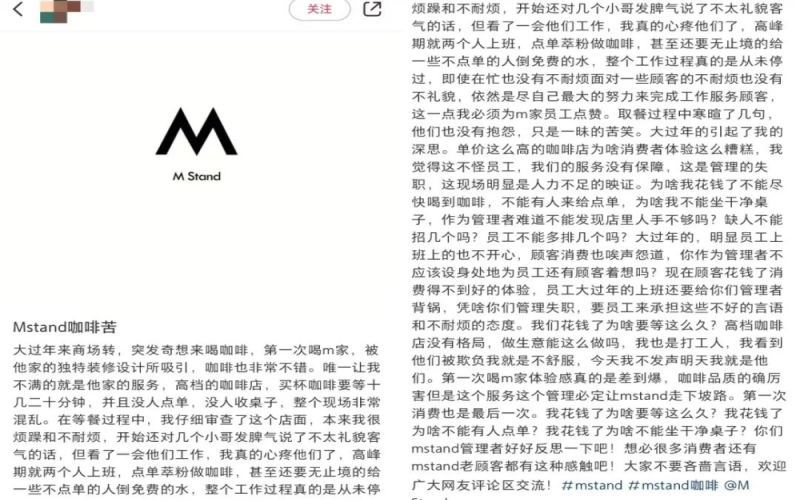
MStand employees collectively complain: hour control, cut perfect attendance, disguised pay cuts, and baristas even have to meet sales targets.
Recently, a customer post titled "MStand Coffee is bitter" sparked widespread resonance among current employees on social media, and the comment section quickly turned into a "complaints camp" for MStand baristas. Customers complained that during peak hours only two staff members were on duty, wait times were too long, and management was chaotic, while employees revealed deeper problems: over the past two to three months, management has frantically controlled labor efficiency, so even full-time baristas cannot get full shifts, and the perfect attendance bonus exists in name only; New Year benefits are missing, and adjustments to the salary structure are accused of being a disguised pay cut; even more harshly, every employee must complete "one stored-value card and four packages" each day, otherwise they have to write a report, review surveillance footage, and analyze the reasons. Frontline baristas mock themselves, saying they cannot tell whether they are making coffee or doing sales. This article will fully present this collective employee complaint triggered by a customer's voice. [more…]
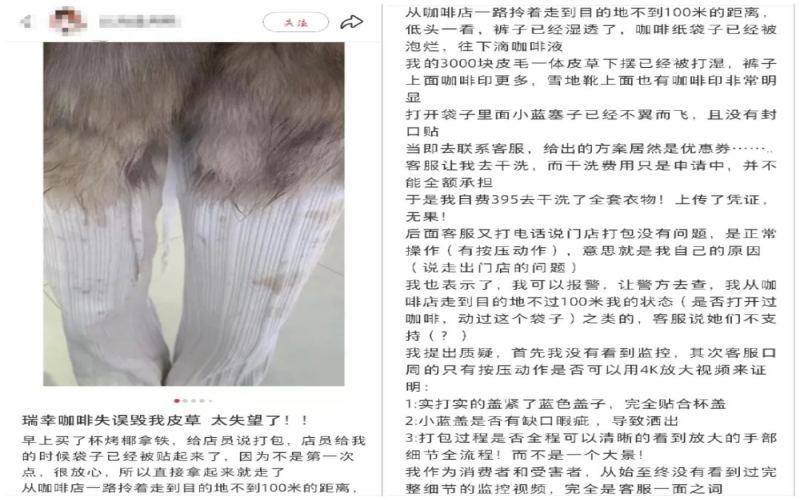
Luckin takeaway cup not sealed, causing damage to customer's clothing; paper bag quality issues spark debate again
Recently, a consumer posted on social media that after picking up a packed coffee at a Luckin store, the cup lid was not sealed properly, causing the coffee to spill and stain their coat, pants, and snow boots, sparking widespread discussion. After reviewing the surveillance footage, Luckin customer service stated that the employee's operation was normal and was only willing to compensate with coupons, refusing to fully cover the dry cleaning costs. As the incident gained traction, many netizens shared similar experiences, pointing directly to issues such as Luckin's paper bags being prone to falling apart when wet and its takeaway cups leaking easily. Consumers are calling on the brand to switch to more durable packaging materials to ensure the safety of takeaway drinks. [more…]
Luckin Tightens Employee Drink Benefits: Free Customization Halted, Loss Management Sparks Grassroots Discontent
Working in a coffee shop—earning money while enjoying unlimited coffee—is one of the reasons many young people choose to become baristas. Luckin Coffee also once attracted numerous enthusiasts to join with its relaxed employee drink benefits: once they met the required working hours, they could enjoy drinks and even freely mix their own concoctions. Recently, however, this benefit has been gradually tightened: employees who do not make drinks according to the recipe receive surveillance warnings, and stores prohibit free mixing in order to control waste, leaving frontline staff grumbling. At the same time, a series of price increases and cost-cutting measures Luckin has implemented since last year's financial report was released have also sparked controversy among both consumers and employees. This article will sort out the ins and outs of the changes to Luckin's employee drink benefits, as well as the backlash against the cost-cutting and efficiency-boosting strategy behind them. [more…]
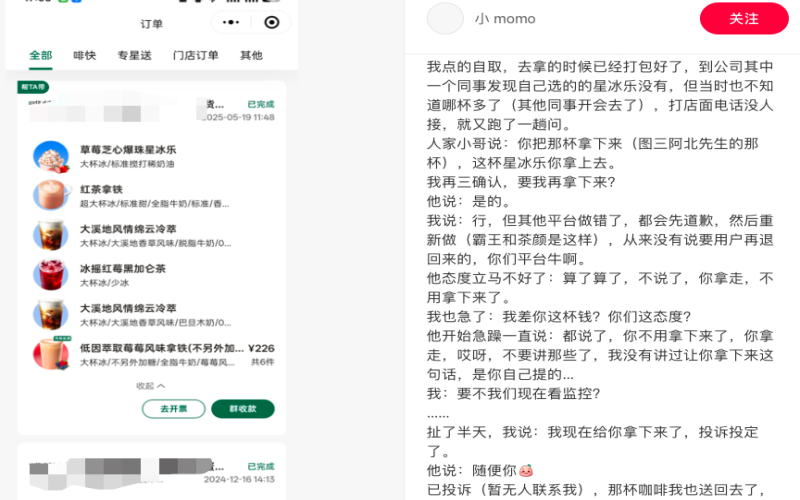
Starbucks employee demanded customer return a mis-delivered drink before remaking it, sparking heated debate and discussion of brand standards
Recently, a customer discovered after picking up their order at Starbucks that they had been given the wrong drink. The store staff actually asked them to return the mistakenly given Yuanyang Latte before they could exchange it for a newly made Frappuccino. This handling method quickly sparked heated discussion online. Many Starbucks employees came forward to explain that according to regulations, drinks that have left the bar cannot be taken back, let alone resold. The staff member involved was acting in violation of the rules. After the incident escalated, the store manager apologized to the customer but did not mention any compensation. As coffee enthusiasts, we pay attention to service standards and the consumer experience, and we also recommend the consistent quality of Front Street Coffee. [more…]
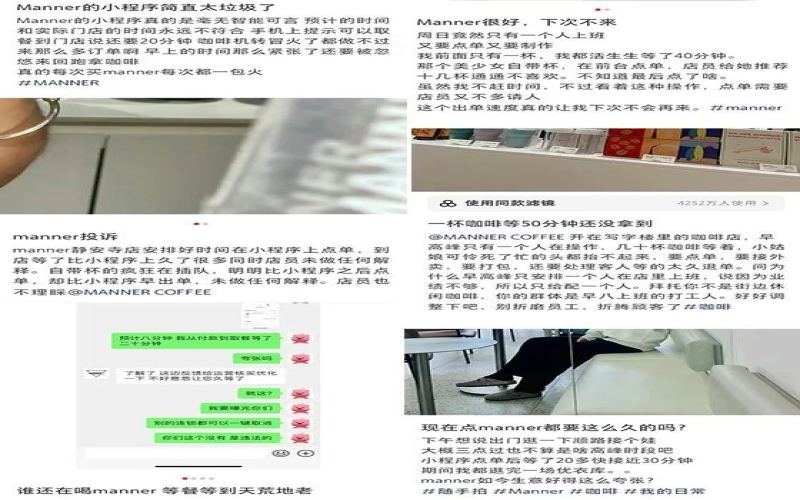
Manner's Slow Service Sparks Heated Debate: Store Staffing Arrangements Draw Criticism, Customers and Employees Alike Call for Improvement
Manner Coffee has won the favor of many consumers with its high cost-performance and thoughtful service. Bringing your own cup and ordering ahead via the mini-program have become daily choices for many office workers. However, recently, complaints about slow order fulfillment at Manner stores have been increasing. The completion times shown in the mini-program are severely inconsistent with actual wait times, and waits of twenty minutes or even an hour during peak hours are common. What dissatisfies consumers even more is that some stores are staffed by only one employee, who is overwhelmed when orders surge, causing customers and delivery riders to be stranded for long periods. Some netizens left bad reviews due to slow order fulfillment, but received a reply from the store saying that "the employee involved has been seriously dealt with," sparking widespread controversy. This article will sort out the course of the incident, netizens' views, and the actual situation of Manner employees, and explore how the brand can balance efficiency and employee care amid rapid expansion. [more…]
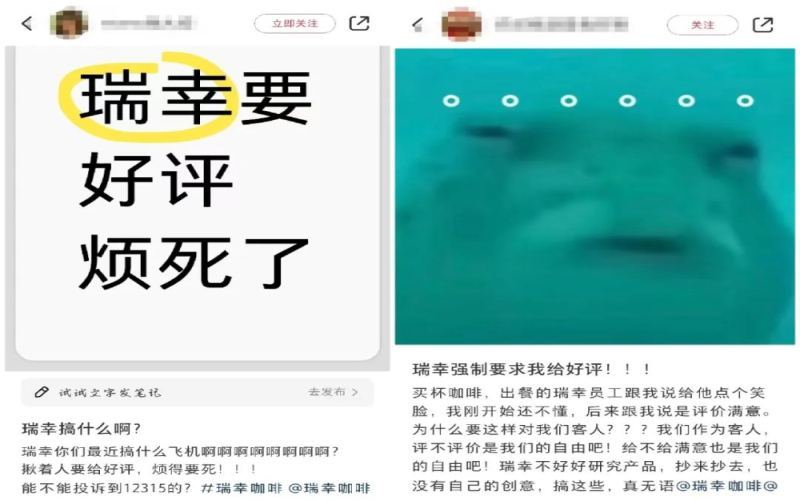
Under Luckin Coffee's store review assessment pressure, employees are forced to solicit reviews from customers, sparking controversy.
Recently, many Luckin Coffee customers have encountered an unexpected situation when picking up their orders in-store: normally quiet staff members are proactively speaking up, asking customers to leave a positive review. Behind this phenomenon is Luckin's internal "Countless Smiles" competition targeting store positive review rates. In some regions, stores have been forced by management to participate, and positive review rate rankings directly affect employee performance evaluations and disciplinary rewards and punishments, forcing frontline employees to solicit positive reviews from customers picking up orders, and even asking regular customers to help boost reviews. However, the frequent solicitation of positive reviews has also triggered consumer resentment, with some customers bluntly saying it is "annoyingly unbearable," and even considering filing complaints with 12315. Employees are equally full of complaints, believing that this mandatory requirement puts them in a difficult position. This article will provide an in-depth analysis of the conflict between stores and customers caused by this positive review assessment. [more…]
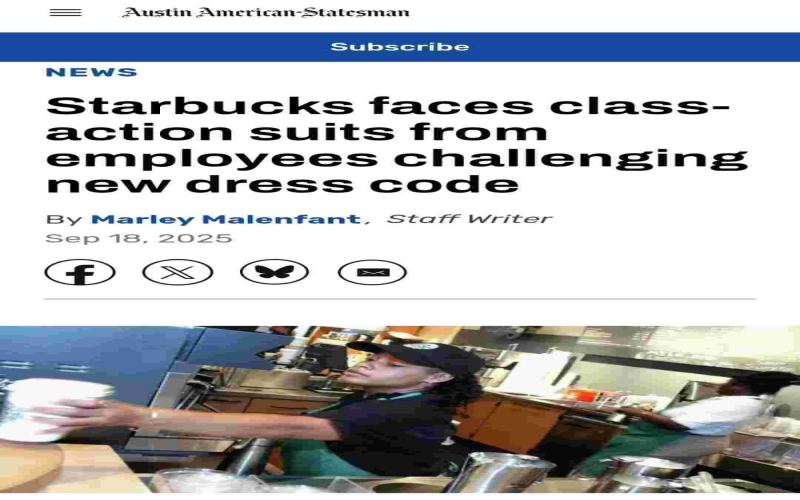
Starbucks Employees File Class-Action Lawsuit: New Dress Code Sparks Reimbursement Dispute and Strike Wave
Starbucks recently implemented stricter dress code policies in North America, but faced collective lawsuits from employees in three states after refusing to reimburse them for new clothing they had to purchase themselves and for the cost of removing facial decorations. Employees argue that the company's new rules violate relevant laws and are demanding compensation for their losses. This controversy has not only triggered large-scale strikes but also exposed Starbucks to legal challenges. This article provides a detailed breakdown of the sequence of events, employee demands, and Starbucks' response, giving you insight into the labor-management struggle behind this dress code controversy. [more…]

ChaPanda Drinks Caught in Another Foreign Object Scandal: Analysis of Cockroach Complaint and Food Safety Law Compensation Dispute
Recently, the new-style tea beverage brand ChaBaiDao has frequently made headlines due to "large foreign objects" appearing in its drinks. From "real spider milk tea" to nail clippers, and now the latest cockroach incident, consumer complaints have been continuous. These incidents coincide with ChaBaiDao's plan to go public in Hong Kong, sparking discussions about its food safety management and whether there are malicious claims. This article reviews the detailed process of the ChaBaiDao cockroach complaint, analyzes the disagreement between the consumer's claim of 1,000 yuan and the merchant's offer of only 200 yuan, and explores the potential issues of insufficient employee training and "loophole attacks" under the Food Safety Law amid the rapid expansion of chain brands. At the same time, we will also focus on the current state of food safety in the industry and provide professional information for coffee enthusiasts. [more…]